Introduction to NAD and NMN
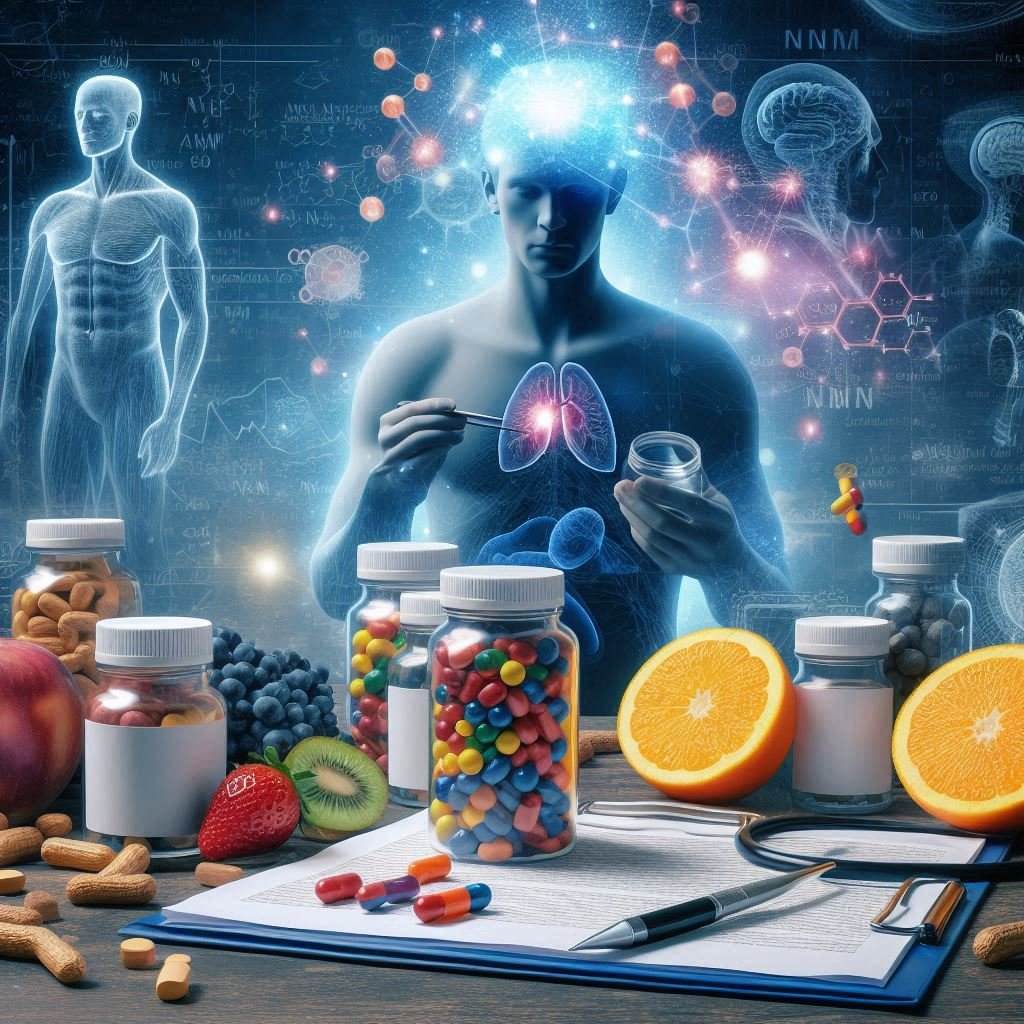
Nicotinamide adenine dinucleotide (NAD) and nicotinamide mononucleotide (NMN) are crucial compounds in cellular metabolism and energy production. NAD is a coenzyme found in all living cells, playing an essential role in redox reactions, which are vital for converting food into energy. This metabolic process is fundamental for generating adenosine triphosphate (ATP), the primary energy currency of the cell. Additionally, NAD is involved in various biological processes, including DNA repair, gene expression, and cell signaling.
NMN, a direct precursor to NAD, has gained attention in recent years due to its potential to increase NAD levels in the body. As we age, the levels of NAD naturally decline, which has been associated with several age-related diseases and a decrease in overall cellular function. By supplementing with NMN, it is believed that one can boost NAD levels, potentially improving energy metabolism, enhancing physical performance, and promoting longevity. The increasing interest in these compounds reflects a broader trend in health and wellness focused on aging and the quest for anti-aging solutions.
The relationship between NAD, NMN, and aging cannot be overstated. Research suggests that maintaining optimal NAD levels may delay the onset of age-related issues such as metabolic dysfunction, cognitive decline, and diminished physical capacity. Furthermore, NAD supports the activity of sirtuins, a family of proteins known for their role in regulating cellular health and longevity. Therefore, understanding the importance and functions of NAD and NMN is critical, as these compounds form the basis for many discussions surrounding supplementation and its perceived benefits, alongside the myths that often accompany them.
Get The Best NMN Supplements. Enjoy 75% OFF - Limited Time Offer
NMN Pro | Pure NMN
60 Capsules
$900
$
560
🔔Only 2 units left on our site
-
Serving Size: 2 Capsules
-
Servings Per Container: 30
-
Total Supply: 6 months
NMN Pro | Pure NMN
500 grams Powder
$850
$
600
🔔Only 4 units left on our site
-
Serving Size: 1 Level Scoop
-
Servings Per Container: 500
-
Total Supply: ~ 16 months
Blend: NMN, TR, TMG
90 Capsules
$880
$
440
🔔Only 5 units left on our site
-
Serving Size: 3 Capsules
-
Servings Per Container: 30
-
Total Supply: 6 months
Blend: NMN, TR, TMG
75 Grams Powder
$1000
$
600
🔔Only 6 units left on our site
-
Serving Size: 1 Level Scoop
-
Servings Per Container: 30
-
Total Supply: 6 months
NMN Pro | Pure NMN
30 lozenges | 250 gram
$360
$
190
🔔Only 1 units left on our site
-
Serving Size: 1 lozenge
-
Servings Per Container: 30
-
Total Supply: 6 months
NMN Pro | Pure NMN
Sustained Release | 60 Tabs
$840
$
420
🔔Only 3 units left on our site
-
Serving Size: 1 Tablet
-
Servings Per Container: 60
-
Total Supply: 6 months
Get The Best NMN Supplements. Enjoy 75% OFF - Limited Time Offer
NMN Pro | Pure NMN
60 Capsules-
Serving Size: 2 Capsules
-
Servings Per Container: 30
-
Total Supply: 6 months
NMN Pro | Pure NMN
500 grams Powder-
Serving Size: 1 Level Scoop
-
Servings Per Container: 500
-
Total Supply: ~ 16 months
Blend: NMN, TR, TMG
90 Capsules-
Serving Size: 3 Capsules
-
Servings Per Container: 30
-
Total Supply: 6 months
Blend: NMN, TR, TMG
75 Grams Powder-
Serving Size: 1 Level Scoop
-
Servings Per Container: 30
-
Total Supply: 6 months
NMN Pro | Pure NMN
30 lozenges | 250 gram-
Serving Size: 1 lozenge
-
Servings Per Container: 30
-
Total Supply: 6 months
NMN Pro | Pure NMN
Sustained Release | 60 Tabs-
Serving Size: 1 Tablet
-
Servings Per Container: 60
-
Total Supply: 6 months
The Role of NAD in the Body
Nicotinamide adenine dinucleotide (NAD) is a coenzyme found in all living cells, playing a crucial role in various biological processes that are essential for life. Foremost, it participates in redox reactions, acting as an electron carrier. This function is vital for cellular respiration, where NAD facilitates the conversion of nutrients into adenosine triphosphate (ATP), the primary energy currency of the cell. Maintaining adequate NAD levels is therefore essential for optimal energy metabolism.
In addition to its role in energy production, NAD is instrumental in supporting DNA repair mechanisms. The integrity of our genetic material is constantly challenged by internal and external stressors, leading to potential damage. NAD serves as a substrate for enzymes known as poly(ADP-ribose) polymerases (PARPs), which are critical for detecting and repairing such DNA damage. Ensuring sufficient levels of NAD can thus contribute to the longevity and vitality of cells by promoting effective DNA repair and reducing the risk of mutations that may lead to illnesses.
Moreover, NAD is implicated in the regulation of cellular signaling processes. It plays a central role in the activity of sirtuins, a group of proteins that influence cellular health, metabolism, and aging. Sirtuins modulate various physiological processes, including stress response, circadian rhythms, and inflammation. By regulating these processes, NAD helps maintain cellular homeostasis and overall health. Consequently, a decline in NAD levels—often associated with aging and certain health conditions—can adversely affect these critical functions.
Given the diverse roles of NAD in metabolism, DNA repair, and cellular signaling, it is clear that maintaining optimal levels of this coenzyme is essential for promoting health and extending longevity. Understanding these functions highlights the significance of NAD and its importance in human biology.
Understanding NMN and Its Health Benefits
Nicotinamide mononucleotide (NMN) is a nucleotide that plays a crucial role in the body’s synthesis of nicotinamide adenine dinucleotide (NAD), a vital coenzyme involved in various metabolic processes. NMN is naturally found in small amounts in certain foods, such as broccoli, avocados, and edamame. As a direct precursor to NAD, NMN is considered essential for maintaining cellular function and overall health as one ages. Research has increasingly focused on the potential health benefits of NMN supplementation, particularly in the context of age-related physiological decline.
Studies have suggested that NMN supplementation may improve NAD+ levels in cells, which in turn promotes cellular metabolism, enhances energy production, and supports cellular repair mechanisms. As NAD+ levels decline with age, the body becomes more susceptible to various age-related diseases, including neurodegenerative disorders and metabolic syndromes. By restoring NAD+ levels through NMN supplementation, it may be possible to mitigate some of these age-associated declines and promote healthier aging.
Moreover, research indicates that NMN supplementation could exert positive effects on various systems within the body. For instance, animal studies have shown that NMN can enhance insulin sensitivity and improve lipid profiles, which are critical factors in preventing conditions like diabetes and obesity. Additionally, there is evidence that NMN may bolster cardiovascular health, potentially reducing the risks associated with heart disease. More recently, inquiries into NMN’s neuroprotective properties have shown promise, suggesting that it could contribute to improved cognitive function as well.
In summary, NMN represents a promising area of research regarding its health benefits and therapeutic applications. Ongoing studies will continue to explore the full extent of NMN’s impact on human health, particularly in its potential to counteract the aging process and improve metabolic health. As this field advances, NMN supplementation may emerge as a pivotal strategy in promoting longevity and enhancing quality of life as individuals age.
Common Myths About NAD and NMN Supplementation
Nicotinamide adenine dinucleotide (NAD) and its precursor, nicotinamide mononucleotide (NMN), have garnered significant attention for their potential roles in health and longevity. However, alongside the growing interest, several myths have emerged regarding their supplementation. Debunking these misconceptions is critical for individuals considering these compounds as part of their health regimen.
One prominent myth is that NAD supplementation can reverse aging. While NAD levels do decline with age and supplementation may help restore some of these levels, it is overly simplistic to assert that it can reverse the aging process itself. Aging is a complex phenomenon influenced by numerous biological and environmental factors; thus, while NAD can contribute positively to cellular function, it does not serve as a miraculous anti-aging solution.
Another misconception is that all NAD boosters are equally effective. In reality, not all supplements designed to increase NAD levels are created equal. Variations in the formulation, dosage, and bioavailability can significantly influence their efficacy. For instance, NMN has been shown in studies to increase NAD levels in the body more effectively compared to certain other NAD precursors, highlighting the importance of choosing reputable and scientifically-supported products.
Additionally, some claim that NMN is not absorbed by the body, suggesting that its supplementation may be futile. This assertion has been debunked by scientific research indicating that NMN is indeed absorbed and can increase NAD levels in tissues, such as muscles and the brain. Given this evidence, the narrative that NMN lacks bioavailability is unfounded and requires reevaluation by both consumers and health professionals.
In conclusion, understanding the facts behind NAD and NMN supplementation is crucial. By dispelling these myths, individuals can make informed decisions regarding their health and potential supplementation strategies. Proper education around these compounds allows for a clearer understanding of their benefits and limitations.
Myth 1: NAD Supplementation Can Reverse Aging
The idea that NAD supplementation can reverse the aging process has garnered significant attention in recent years, spurred by a growing body of research linking NAD (Nicotinamide Adenine Dinucleotide) levels to various biological functions. However, it is crucial to approach this claim with caution and a critical mindset. While NAD plays a vital role in energy metabolism, DNA repair, and cellular function, the notion of reversing aging is more complex than simply increasing NAD levels.
Scientific investigations have demonstrated that NAD levels decline with age, which has prompted interest in the potential benefits of supplementation with NAD precursors such as NMN (Nicotinamide Mononucleotide). Although some studies indicate that replenishing NAD can enhance cellular functions and promote healthspan—essentially, the period of life spent in good health—these findings do not translate to the reversal of aging itself. Aging is a multifaceted biological process influenced by genetic, environmental, and lifestyle factors, making it unrealistic to believe that a single compound could counteract this complexity.
Moreover, research thus far primarily focuses on animal models, and while some positive outcomes have been observed, human studies are still limited in scope and duration. For example, improvements in muscle function or metabolic health have been noted in older mice given NAD precursors, but replicating these results in humans necessitates further inquiry. Thus, overstating the effects of NAD supplementation could mislead consumers who seek miraculous anti-aging solutions.
Ultimately, while NAD supplementation may support certain aspects of health and mitigate effects associated with aging, it cannot reverse the aging process. Maintaining a balanced lifestyle, including proper nutrition and regular exercise, remains the most effective strategy for promoting longevity and overall well-being.
Myth 2: All NAD Boosters are Equal
The market is currently flooded with various forms of NAD boosters, and it is a common misconception that all these supplements offer similar benefits. In reality, there are significant differences among them in terms of bioavailability, mechanisms of action, and overall health benefits. The most noted forms of NAD boosters include NADH, NMN (Nicotinamide Mononucleotide), and NR (Nicotinamide Riboside). Each of these compounds plays a distinct role in the promotion of cellular health and energy production.
NADH is the reduced form of nicotinamide adenine dinucleotide and participates directly in cellular energy metabolism. While it has shown some promise in terms of improving energy levels and cognitive function, its bioavailability can be considerably lower when absorbed through the digestive tract. Therefore, while NADH may provide some benefits, these may not be as pronounced or widespread as those derived from other NAD precursors.
Nicotinamide Mononucleotide (NMN), on the other hand, has gained significant attention due to its efficient conversion to NAD within the body. Research has indicated that NMN can effectively increase NAD levels, particularly in aging populations, thus positively impacting metabolic health, mitochondrial function, and even DNA repair mechanisms. This makes NMN a potent candidate for those seeking to enhance their cellular NAD stores.
Lastly, Nicotinamide Riboside (NR) has emerged as another well-studied NAD booster. Similar to NMN, NR effectively raises NAD levels in various tissues but may offer additional benefits in terms of neurological health. Some studies suggest that NR supplementation can improve age-related decline in brain health and cognitive function.
In conclusion, while NAD boosters such as NADH, NMN, and NR all contribute to increased levels of NAD, their effectiveness can vary greatly. Understanding these differences is crucial for individuals seeking the most appropriate options for their health needs.
Myth 3: NMN is Ineffectively Absorbed by the Body
The notion that nicotinamide mononucleotide (NMN) is poorly absorbed by the body has gained considerable traction, but recent research challenges this claim. Understanding how NMN is processed upon ingestion is crucial for evaluating its efficacy as a supplement aimed at increasing levels of nicotinamide adenine dinucleotide (NAD). Previous assumptions regarding NMN absorption were predominantly based on initial studies that did not account for the complexities of metabolic pathways and cellular uptake mechanisms.
Recent investigations have demonstrated that NMN can indeed be effectively absorbed and utilized by the body. When orally administered, NMN is quickly converted to nicotinamide riboside (NR) or directly into NAD in various tissues. A notable study published in the journal ‘Nature’ confirmed that NMN is bioavailable after oral ingestion, with evidence illustrating significant increases in NAD levels in mice. These findings suggest that NMN bypasses some barriers previously believed to inhibit its absorption, enabling it to be efficiently utilized for NAD synthesis.
Moreover, studies focusing on human trials have begun to substantiate these claims. Research indicates that supplementation with NMN results in elevated NAD+ concentrations, particularly in tissues associated with metabolic health and aging. This bioavailability supports the premise that NMN acts as a direct precursor to NAD+, effectively enhancing cellular energy metabolism. The positive outcomes observed, including improved mitochondrial function and potential anti-aging effects, challenge the myth that NMN is ineffectively absorbed into the body.
In conclusion, the misconception regarding NMN’s absorption has been significantly put to rest through recent scientific inquiry. As further research emerges, it becomes increasingly clear that NMN is not only absorbable but also plays a vital role in bolstering NAD levels, thereby supporting various physiological functions.
The Importance of Scientific Evidence in Supplementation
When considering the use of supplements such as NAD (Nicotinamide Adenine Dinucleotide) and NMN (Nicotinamide Mononucleotide), it is crucial to ground decisions in scientific evidence. The efficacy and safety of these supplements are not universally guaranteed; rather, they hinge upon the validity of research studies and clinical trials that investigate their effects. Scientific inquiry serves as a foundational pillar, ensuring that consumers are not misled by anecdotal claims or unverified information.
Research studies provide insights into the mechanisms of action of NAD and NMN supplements, examining how they influence biological processes and contribute to cellular health. For instance, clinical trials often reveal how these supplements can impact aging, energy metabolism, and overall wellness. Without rigorous testing, it becomes challenging to ascertain whether these compounds deliver promised benefits or if their perceived effects stem from placebo responses.
Moreover, individual differences in metabolism and health outcomes cannot be overlooked. Factors such as genetics, pre-existing health conditions, and lifestyle choices significantly influence how one responds to supplementation. Thus, a universally applicable dosage or regimen is unlikely to emerge from existing studies. Comprehensive evidence allows healthcare professionals and consumers alike to make informed choices that consider these variations.
As the interest in NAD and NMN supplementation continues to grow, prioritizing scientific evidence is essential. It empowers individuals to approach supplementation with a critical lens, focusing on products that are backed by robust research. Rigorous evaluation and continued investigation into these supplements can ultimately foster informed decision-making, leading to better health outcomes and a clearer understanding of their role in promoting wellness.
Conclusion: Separating Fact from Fiction
In the realm of health and wellness, the conversation surrounding NAD (Nicotinamide Adenine Dinucleotide) and NMN (Nicotinamide Mononucleotide) supplementation is often filled with varying claims and beliefs. Throughout this blog post, we have endeavored to clarify the distinctions between established facts and myths regarding these popular supplements. Our exploration revealed that while there are promising studies indicating potential benefits of NAD and NMN in supporting cellular health and energy metabolism, it is crucial to approach these findings with a discerning eye.
The allure of anti-aging properties and cognitive enhancements associated with NAD and NMN supplementation is indeed compelling. However, the current body of scientific evidence remains inconclusive, with many studies conducted primarily in animal models rather than human subjects. Therefore, while individual testimonials may extol the virtues of these supplements, it is essential to rely on robust, evidence-based research rather than anecdotal claims. A cautious and informed perspective encourages readers to think critically about marketing messages and consider the broader context of health and longevity.
Moreover, personalized health approaches are paramount when considering any supplement. Consultation with healthcare professionals can provide targeted insights tailored to individual health needs. As research on NAD and NMN continues to evolve, it is vital to stay informed and prioritize information from credible sources. In summary, knowledge and evidence should guide decisions about supplementation, emphasizing the need for careful consideration and expert advice in navigating the landscape of NAD and NMN. Balancing personal health goals with scientific understanding will allow individuals to make informed choices about their wellbeing.